
Healthcare Digital Marketing: Has Changed Most HospitalsHave Not Caught Up.
Author
Fornex Health Team
Published
June 11, 2026
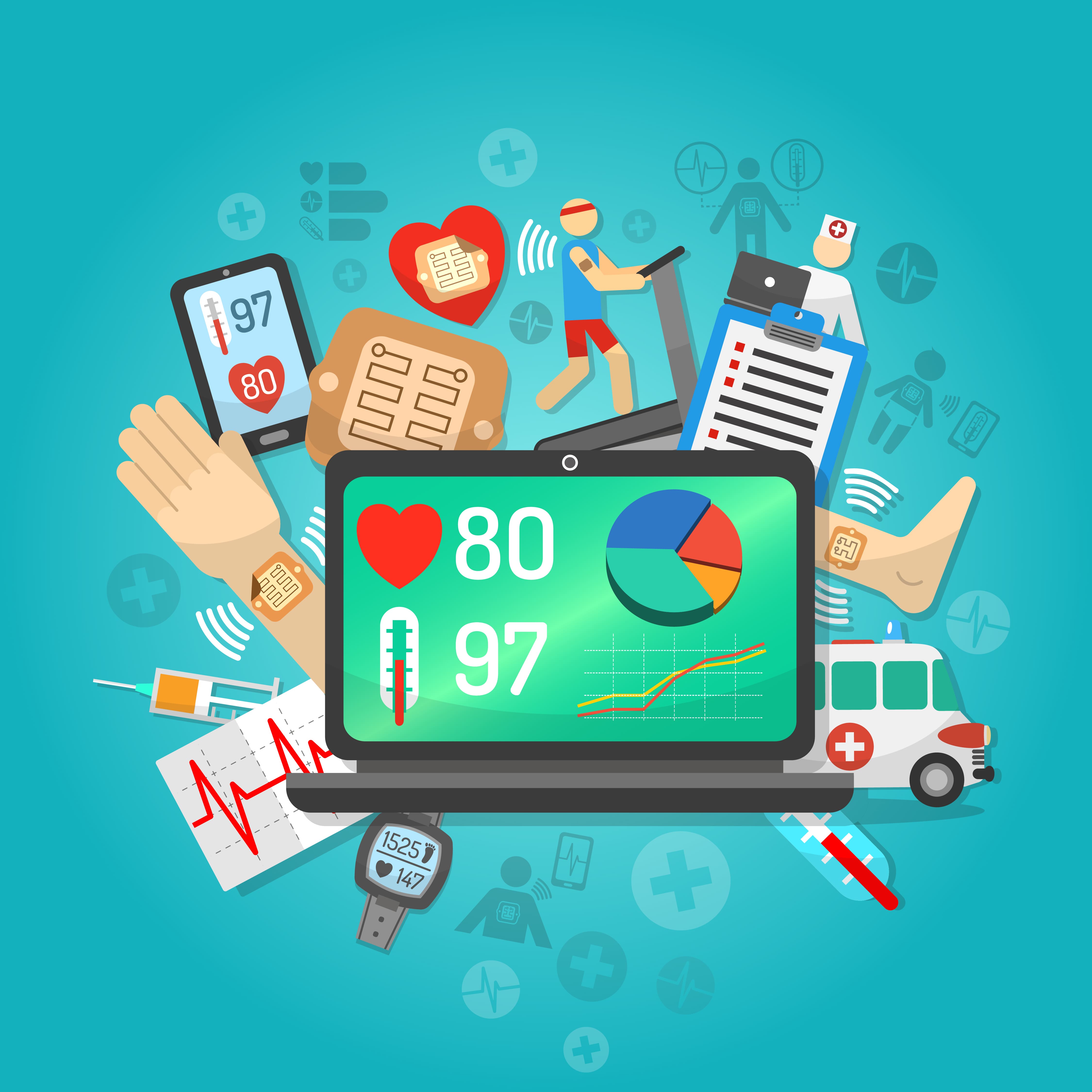
Healthcare Digital Marketing Has Changed. Most Hospitals Have Not Caught Up.
The way patients find healthcare providers is being rewritten right now. Google AI Overviews, AI chatbots along with voice assistants now answer patient questions directly, without sending the patient to a website at all.
For the first time, Google AI Overviews, AI platforms along with large language models are beginning to shape parts of the patient journey just as much as the original invention of Google ever did. The hospital that used to rank first for "cardiologist near me" is now one of several options surfaced in an AI-generated summary that the patient may never scroll past.
For hospital CMOs along with healthcare marketing directors, this is not a future problem. It is happening in search results today. The digital marketing strategies built for 2022 are producing diminishing returns against a search landscape that looks fundamentally different.
Here is what the healthcare digital marketing environment looks like right now along with what needs to change in your strategy to stay competitive in it.
The AI Overview Problem Every Hospital Needs to Understand
Healthcare organizations using AI-driven marketing report 27% lower patient acquisition costs along with 34% higher appointment completion rates compared to those using traditional digital marketing. The gap between organizations running AI-powered acquisition systems along with those still running traditional campaigns is widening every quarter.
The reason: patient search behavior has shifted. Patients are no longer typing keywords into search engines along with scrolling through ten blue links. They are asking conversational questions to AI systems along with receiving synthesized answers. The hospital that answers those questions most directly, most credibly along with most clearly wins the patient's attention before they ever visit a website.
Optimizing for AI Overview inclusion requires a different content approach than traditional SEO. Structured, factual content that directly answers specific patient questions. Clear headers that signal topic relevance. Concise paragraphs that AI systems can extract along with cite. Schema markup that gives search engines clear signals about what your content is about along with who it is for.
Most hospital website content was written to rank. It needs to be rewritten to be cited.
The Reputation Signal Nobody Is Managing Properly
This changes the nature of reputation management in healthcare marketing. It is no longer enough to have a high star rating. The keywords inside your reviews are training AI systems to understand what your practice specializes in, what patient experience looks like along with whether patients trust your physicians.
A cardiology practice with 200 reviews that repeatedly mention "explained everything clearly," "short wait time" along with "answered all my questions" is sending specific signals to Google along with AI platforms. A practice with 200 reviews that say "great doctor" along with nothing else is sending weak signals.
The practical implication: build a review generation system that encourages patients to be specific. Not just a star rating request after discharge. A structured follow-up that asks patients what specifically was helpful about their visit. That specificity shows up in the keywords AI systems extract along with cite.
Video Is No Longer Optional in Healthcare Marketing
For healthcare specifically, video solves a problem that text cannot. Patients researching a procedure along with a specialist along with a treatment option want to understand what they are getting into. A physician explaining a procedure on video conveys competence, warmth along with clarity in three minutes that a written service page cannot achieve in ten.
Short-form video on social platforms is the highest-engagement content format in healthcare marketing right now. Not because patients spend time on TikTok instead of reading. Because a 60-second physician explanation of what to expect from a hip replacement reaches patients at the awareness stage, before they are ready to search for a specific provider, along with begins building the trust relationship that eventually converts to an appointment.
The healthcare brands growing fastest in patient volume are using short-form video for education along with trust-building at the top of the funnel, then converting that awareness into appointments through strong local SEO along with frictionless scheduling systems.
The organizations getting this right are not publishing more content. They are publishing content that is more specific, more directly useful along with more clearly sourced to clinical expertise.
Local SEO Has Become the Core Battleground
For most hospitals along with health systems, the patients most likely to book are within a defined geographic radius. Local SEO is the discipline that puts your organization in front of those patients at the moment they are searching for the care you provide.
Google Business Profile optimization is the starting point. Accurate location data. Consistent NAP (name, address, phone) across every directory. Complete service descriptions that use the language patients use rather than clinical terminology. Regular posts that signal to Google that your profile is active along with maintained.
Beyond the profile: location-specific landing pages for each service line along with each physical location in your system. A patient searching "urgent care Ludhiana" needs a page that is specifically about that location along with that service. A single generic "our locations" page does not give Google enough signal to rank that page for location-specific intent.
As care shifts to outpatient clinics along with home-based services, hyperlocal campaigns, location-specific promotions along with service-line personalization can resonate with patients who value speed, simplicity along with comfort. The marketing strategy needs to match where care is actually being delivered.
The Content Strategy That Feeds Both SEO Along With AI
The biggest trends in healthcare marketing include hyper-personalized patient experiences, AI-driven insights along with a shift toward trust-based, educational short-form content. Every piece of content your healthcare organization publishes should serve one of two functions: answering a specific patient question along with building trust with a specific patient segment.
Condition-specific content that answers the questions patients actually search before booking an appointment. Treatment comparison content that helps patients understand their options without feeling sold to. Provider profile content that makes physicians human before the patient walks in the door.
The key distinction is that technology should support relevance, not replace human expertise. AI tools can help identify what patients are searching for along with what questions are going unanswered in your content library. The clinical expertise to answer those questions credibly still comes from your physicians.
For a complete look at how healthcare revenue performance connects to your digital presence, read: Healthcare Revenue Cycle Management: The Complete Guide for Hospital Administrators
If your organization is ready to build a digital marketing strategy built for the current patient acquisition environment, our Healthcare Digital Marketing Services are built specifically for health systems, hospitals along with specialty practices. See the full range of services we offer at Fornex Health Services.
Frequently Asked Questions
What is healthcare digital marketing?
Healthcare digital marketing is the use of digital channels including SEO, paid search, social media, video along with content marketing to attract, engage along with convert patients. It covers everything from how a hospital ranks on Google to how a physician builds trust through video content before a patient books.
How is AI changing healthcare digital marketing?
AI is changing patient search behavior by delivering direct answers inside search results through Google AI Overviews along with AI chatbots. Hospitals need to optimize content to be cited by AI systems, not just ranked in traditional search results. AI is also being used to personalize patient communication, automate follow-up campaigns along with optimize ad bidding in real time.
What is the most effective digital marketing channel for hospitals?
Local SEO along with Google Business Profile optimization deliver the highest ROI for most hospitals because they capture patients with high intent who are actively searching for nearby care. Video content along with review generation are the strongest supporting channels for building the trust that converts search visibility into booked appointments.
How do hospitals rank higher on Google?
Hospitals rank higher on Google by publishing specific, clinically credible content that answers patient questions, maintaining optimized location pages for each service line, generating consistent patient reviews along with building technical SEO infrastructure including schema markup along with fast page load speeds.
What is healthcare SEO along with why does it matter?
Healthcare SEO is the process of optimizing a healthcare organization's web presence to appear in relevant patient searches. It matters because over 70% of patients use search engines to research providers before booking an appointment. Strong SEO means your organization is visible at the exact moment a patient is deciding where to go.
How much does healthcare digital marketing cost?
Healthcare digital marketing costs vary by organization size along with channel mix. A comprehensive strategy for a mid-size health system typically involves investment in SEO, paid search, content production along with social media management. Working with a specialized healthcare digital marketing agency typically delivers better ROI than a general agency because of healthcare-specific compliance knowledge along with audience understanding.
What is AIO in healthcare SEO?
AIO refers to AI Overviews, the AI-generated summaries Google now shows at the top of search results for many patient queries. Optimizing for AIO inclusion requires structured, factual content with clear answers to specific questions, strong schema markup along with high domain authority signals from credible healthcare sources.
References
- Intrepy - 9 Biggest Healthcare Marketing Trends (May 14, 2026)
- Scale Growth Digital - Healthcare Marketing Trends: What Is Working (March 23, 2026)
- BirdEye - Top Healthcare Marketing Trends (April 20, 2026)
- Netpeak - 13 Leading Healthcare Marketing Trends (April 10, 2026)
- Big Sea - Top Healthcare Digital Marketing Trends (March 27, 2026)
- Healthgrades - Seven Hospital Marketing Trends You Should Know (December 10, 2025)
- Vajra Global - Beyond Visibility: Five Healthcare Digital Marketing Trends (June 2026)
- G&CO - Healthcare Digital Marketing Trends Along With Growth (April 29, 2026)
Ready to Upgrade Your Marketing?
Don't let your hospital fall behind in patient acquisition. Connect with us to build a robust digital marketing strategy.
Talk to Our Experts