Carevation needed more than a developer - they needed a healthcare technology partner who could translate a founder's lived caregiving experience into a purpose-built mobile platform. ForNex Health designed and delivered it from zero to beta in 2025.
Digital Health & Caregiving Technology - Consumer mobile application redefining care coordination.
Client
Carevation
Founder
Adrian Chung
Industry
Digital Health
Project Type
Mobile App
Stage
Early Access / Beta
Geography
United States
Business Model
Freemium
Platforms
React Native + Kotlin
Carevation is a digital health startup built at the intersection of caregiving, consumer technology, and human-centered design. Its name is a deliberate fusion of "care" and "innovation" - a reflection of its mission to bring modern digital product thinking to one of the most emotionally complex areas of life.
Clinical genomics, diagnostics, and consumer health tools.
Northwestern University's School of Management.
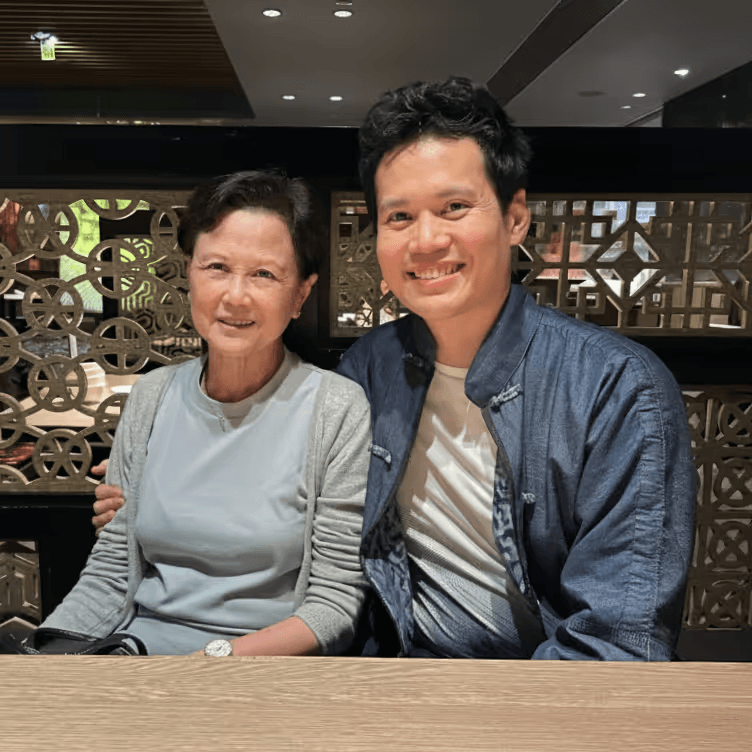
But what drove Carevation wasn't a gap in a market model - it was a decade spent caring for his own mother after her arthritis diagnosis. Despite his deep background in healthtech, he found himself stitching together spreadsheets and text threads, constantly afraid of missing something critical.

Foundation of Empathy
Built from 10 years of caregiving experience.
"After a decade as a caregiver and 15 years in healthcare technology, I knew the gap was real. I brought Carevation to ForNex because I needed a team that understood both the human complexity and the product precision required to serve real families."
Founder & CEO, Carevation
Flip through our story to see how we transformed a bold vision into an industry-shifting reality through relentless innovation.

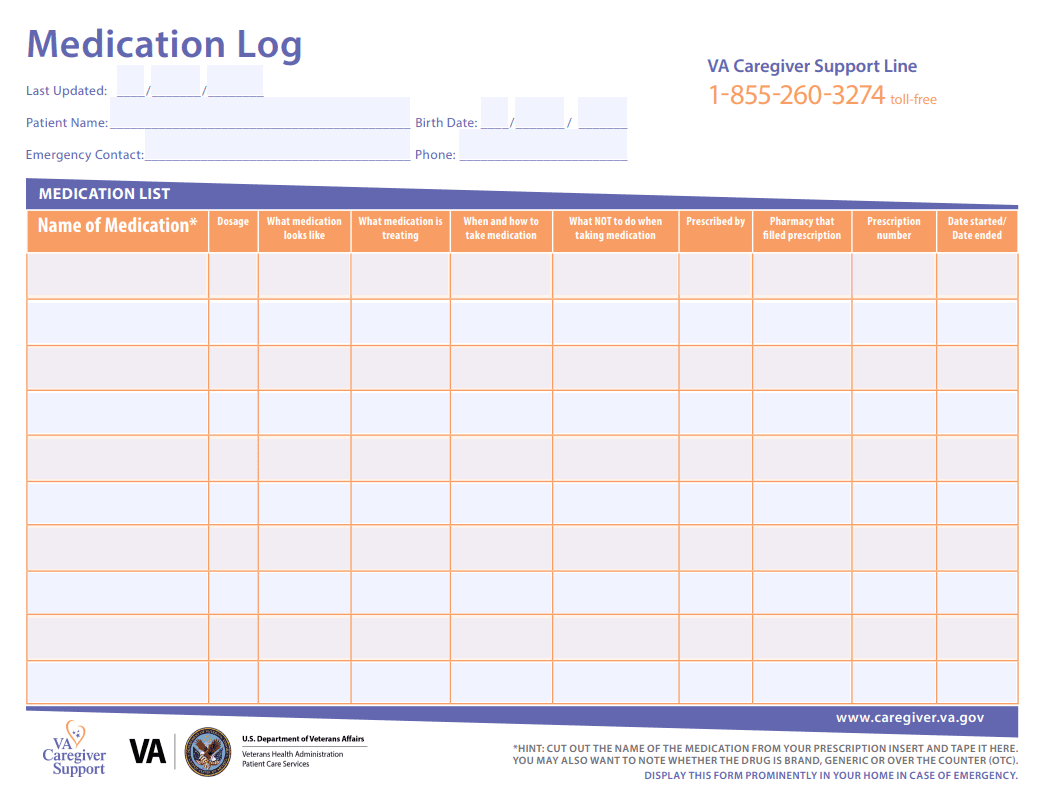
Handwritten medicine schedules tracked doses, timings, and refill notes daily.

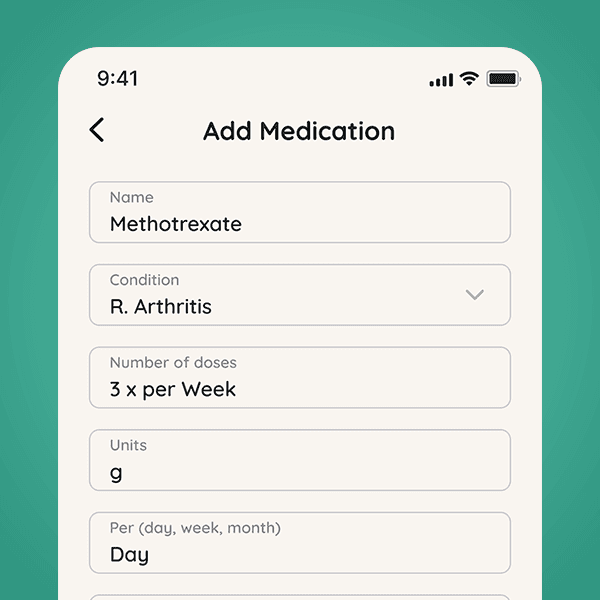
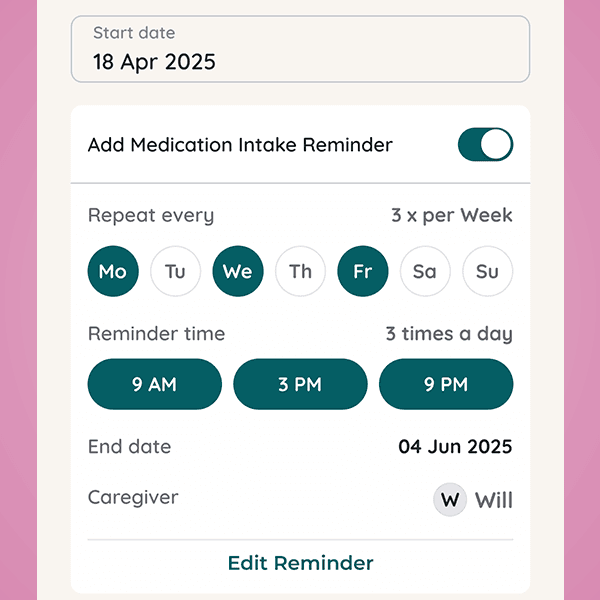
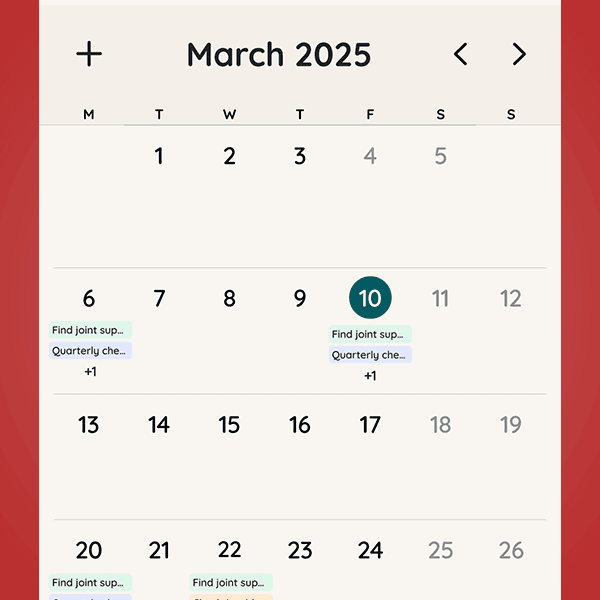
Automatic reminders, dosage schedules, refill alerts, and shared updates.

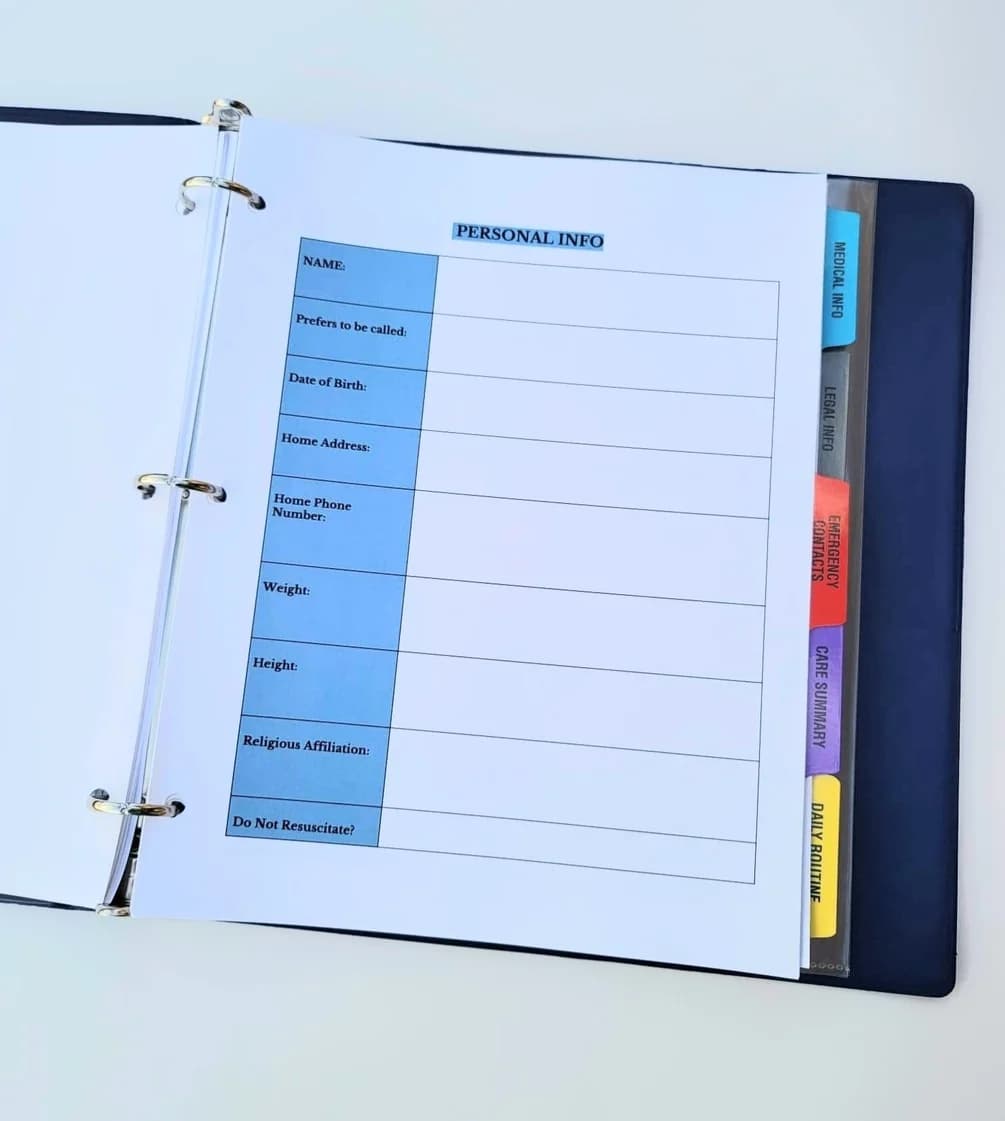
Printed sheets recorded appointments, symptoms, routines, and caregiving tasks.

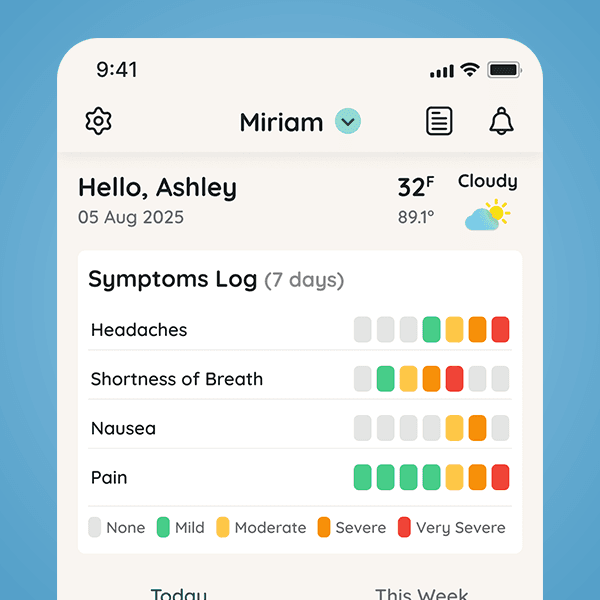
Track appointments, symptoms, tasks, and daily notes instantly.

Organized folders stored reports, contacts, prescriptions, and care notes.

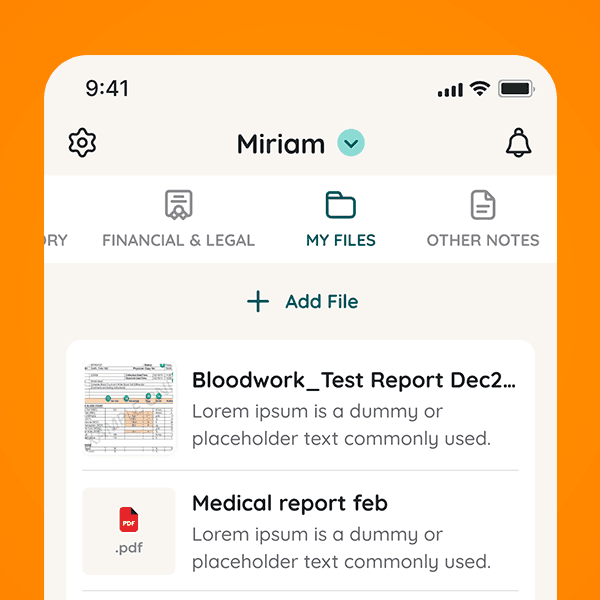
Store reports, prescriptions, contacts, and records digitally.

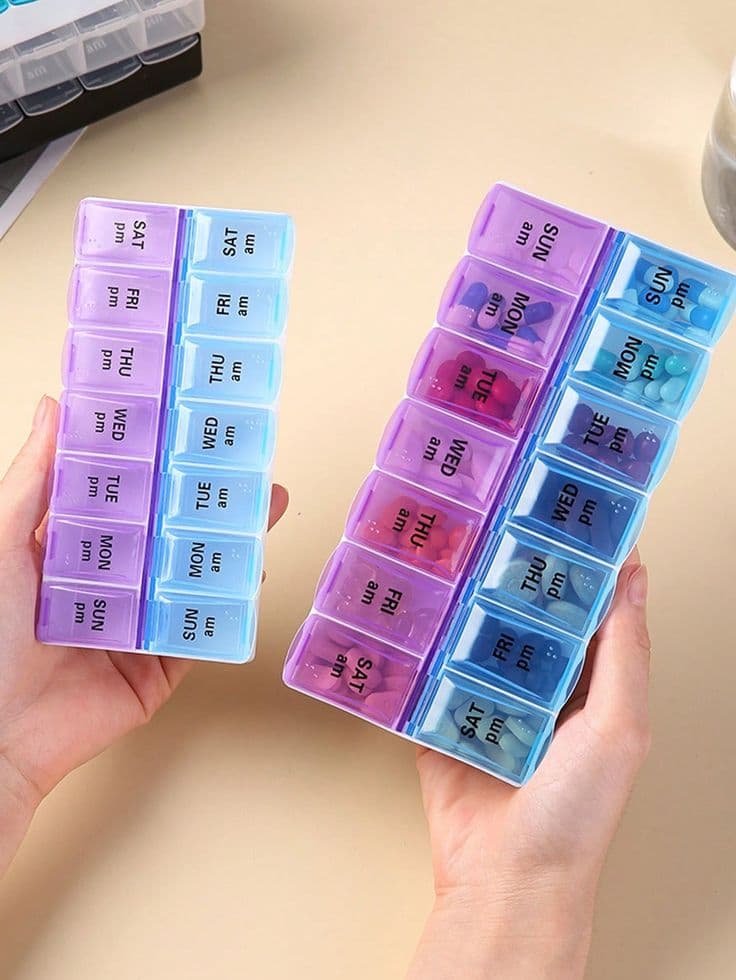
Pill boxes separated medicines by day and dosage timing.

Organize medicines with reminders, instructions, and adherence tracking.

Spreadsheets managed medications, expenses, appointments, and progress updates manually.

Manage tasks, expenses, schedules, and updates in one place.

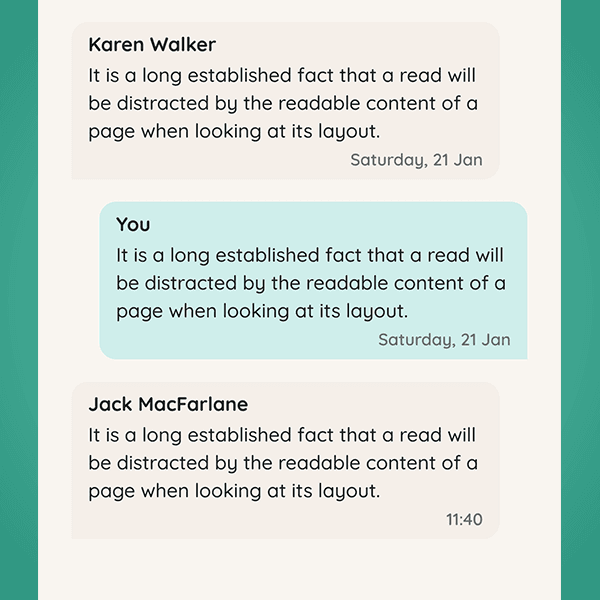
Calls and chats handled reminders, updates, and family coordination.

Assign tasks, share updates, and coordinate caregivers easily.
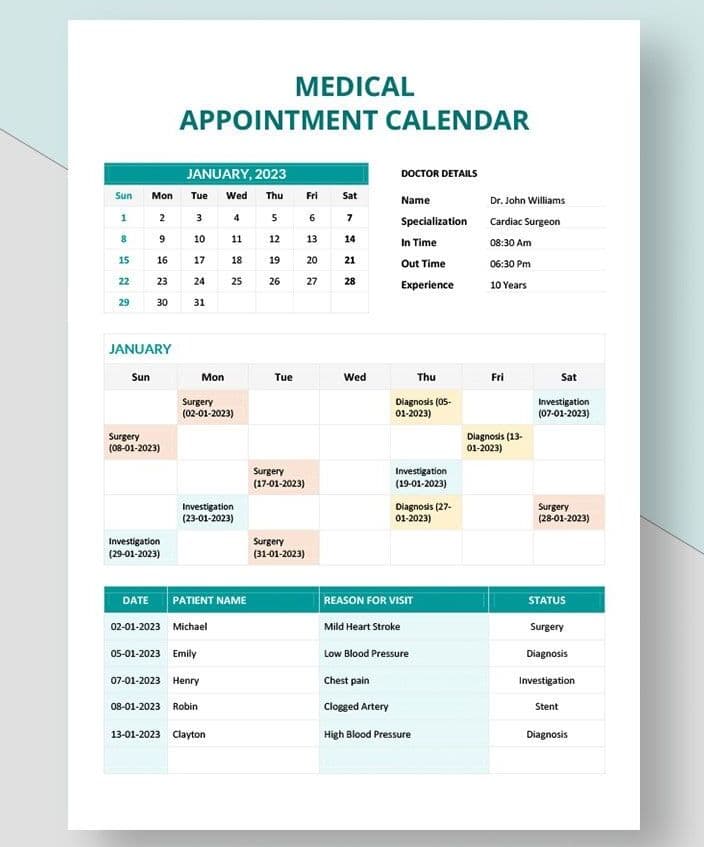
What caregivers were actually using before Carevation:
Family caregiving is one of the most demanding and emotionally complex responsibilities a person can take on - yet the tools available to caregivers have always been generic consumer apps never designed for coordinating medical care.
Physical records that couldn't be shared, were easily lost, and were inaccessible in emergencies.
"The result is a fragmented, stressful experience stitched together from tools that were never meant to work together."
Three forces converged to make Carevation both urgent and necessary:
Despite his professional background, Adrian's own caregiving experience was chaotic and unsupported by technology. He found nothing comparable existed for him.
America's aging population is creating unprecedented demand for family-based care support, yet they receive zero digital infrastructure.
Post-pandemic digital health adoption accelerated, but no purpose-built platform existed to support active family caregivers.
Adrian brought Carevation to ForNex Health with a clear mandate: build the platform that caregivers don't know they're waiting for.
Leading to missed appointments and medication errors.
When multiple family members share care responsibilities across different cities.
Compounded by organizational chaos and a complete absence of support tools.
Long-distance caregivers cut off from meaningful involvement in a loved one's care.
Caregivers arriving at medical appointments unprepared, unable to confidently represent their loved one's full history.
Leading to missed appointments and medication errors.
When multiple family members share care responsibilities across different cities.
Compounded by organizational chaos and a complete absence of support tools.
Long-distance caregivers cut off from meaningful involvement in a loved one's care.
Caregivers arriving at medical appointments unprepared, unable to confidently represent their loved one's full history.
ForNex Health designed and developed Carevation as a native mobile application for iOS and Android, built around a central concept: the CareSpace - a shared, role-based digital workspace where all of a loved one's care information lives, every family member stays synchronized.
Real-time visibility into upcoming appointments, overdue tasks, and follow-up items across the entire care team
Calendar integration prevents scheduling conflicts
Structured pre-visit planning prepares caregivers for every medical conversation
Nothing falls through the cracks
Comprehensive medication tracking - dosage, instructions, refill schedules, and prescribing provider
A complete medication history is always available for specialist visits
Smart reminders ensure no dose is ever missed
Designed to eliminate one of the highest-risk areas in home-based care
The central hub where all care information lives
Shared task assignments with clear ownership
Role-based invitations with configurable permissions for every family member
Real-time synchronization across all devices - replaces fragmented group text threads entirely
Secure storage for medical records, test results, insurance documents, and care plans
Shareable with providers in seconds
Organized by category for fast retrieval
Accessible from any device
Built-in mood and stress check-ins
Energy tracking over time
Reflection tools and journaling prompts
The feature category every competitor has overlooked - because caregiver health is inseparable from care quality
Stakeholder interviews, market research, and persona development.
System design, tech stack, and API infrastructure planning.
Step 2System design, tech stack, and API infrastructure planning.
Wireframes, high-fidelity prototypes, and design systems.
Full-stack implementation and quality assurance cycles.
Step 4Full-stack implementation and quality assurance cycles.
Staged rollout and performance monitoring.
Data-driven improvements and scaling strategies.
Step 6Data-driven improvements and scaling strategies.
Unlike most apps designed for a single user, Carevation is built around the reality that caregiving is a team effort.
Primary Caregivers
Long-Distance Caregivers
Co-Caregiving Family
Sandwich Generation
Casual Helpers
Our architecture is designed for security, scalability, and seamless user experiences across all devices and platforms.
iOS App
React Native
Cross-platform consistency, shared codebase with Android, faster iteration
Android App
React Native / Kotlin
React Native for UI with Kotlin modules for native device capabilities
State Management
Redux-style architecture
Predictable state across complex multi-user CareSpace workflows
Backend API
Node.js + TypeScript
Type-safe, scalable, fast development velocity
Database
PostgreSQL
Granular access control per CareSpace user role with row-level security
Cloud
AWS (ECS, RDS, S3)
Enterprise grade reliability, scalable infrastructure
Authentication
OAuth 2.0 + MFA
Secure multi-factor authentication for all accounts
Real-time Sync
WebSocket + AWS API Gateway
Live CareSpace updates across all family members instantly
Push Notifications
FCM + APNs
Cross-platform medication and appointment reminders
AI Care Insights
Integrated ML pipeline
Proactive care recommendations - live in current build
Data at rest
AES-256 encryption on all sensitive user data
Data in transit
TLS 1.3 across all API endpoints
Authentication
OAuth 2.0 with multi-factor authentication
Access control
Role-based CareSpace permissions per family member
Privacy
Personal care coordination data only - no PHI involved
Data policy
Zero data-selling - user data is never shared or monetized
Sessions
Auto-expiring tokens with secure refresh flows
Twilio
SMS reminders for medications and appointments
Firebase
Push notifications across Android and iOS
RevenueCat
Freemium to subscription model management
Sentry
Crash reporting and error monitoring
Mixpanel
Privacy-respecting product analytics
Paper lists that became outdated. Generic reminder apps with no medical context. No tracking of prescribing providers or refill schedules. Medication history reconstructed from memory at every appointment.
A centralized medication module tracks every drug, dose, instruction, and refill date. Smart reminders fire at the right time. Complete history always ready to share.
Caregivers arrived at appointments without a complete picture of the care history. Providers re-asked the same questions every visit. Follow-up items forgotten or lost in a notes app.
Structured pre-visit planning prepares caregivers before every appointment. Follow-up items are captured and tracked. The right provider contact is always one tap away.
Group texts as the coordination layer for complex medical decisions. Messages buried under noise. No task tracking, no file sharing, no accountability.
The CareSpace replaces the text thread entirely. Each family member has a clear role. Tasks are assigned explicitly. Progress is visible to everyone in real time.
Symptoms described from memory at appointments. No longitudinal record. No ability to identify patterns or share structured information with providers.
Simple, structured symptom logging with tracking over time. Patterns surface naturally. Shareable records ready for any medical visit.
Every tool ignored the emotional dimension of caregiving entirely. Burnout was treated as inevitable.
Daily wellness check-ins integrated into the same workflow as care logistics. Mood tracking. Personalized self-care recommendations. The platform acknowledges that a burned-out caregiver cannot sustain quality care.
Medical records in binders. PDFs scattered across email. Insurance documents on different devices. Nothing findable in an emergency.
Secure, categorized document storage organized by type. Searchable, accessible from any device, shareable with providers in seconds.
Carevation is currently in its early access phase with an active beta cohort providing structured feedback. Qualitative outcomes have validated the platform's design against the most critical caregiver pain points.
Users describe feeling significantly more organized and less anxious about care coordination
Family members in CareSpaces report clearer task ownership and fewer coordination breakdowns
Long-distance caregivers describe staying meaningfully connected to a loved one's care for the first time
Medication management is consistently rated the highest-value feature, directly reducing fear of dosage errors
The wellness check-in features are surfacing a need that every previous tool left entirely unaddressed
Reduced burnout, increased confidence, better work-life balance, recognition of their invaluable role
Safer, more consistent care with fewer errors and better-prepared advocates at every touchpoint
Clearer communication, shared responsibility, reduced conflict and duplication
The most powerful digital health products are built by people who've experienced the gap firsthand. If you have deep domain knowledge and a clear vision, ForNex provides the technical execution to bring it to life with precision.
Complex multi-user coordination and role-based access for family synchronization.
High-quality React Native apps for iOS and Android from a single development cycle.
Architected foundations for AI insights and web expansion without future rebuilds.
Rapid delivery from discovery to launch within 2025 without sacrificing quality.
From private practices to enterprise health systems - here's what our clients say after going live.