How ForNex Health Built a HIPAA-Compliant Telehealth Platform for Chronic Care Patients

Apollo 360 Health needed more than a development team - they needed a clinical technology partner who understood medically supervised digital care and could deliver a compliant, scalable telehealth platform from the ground up. ForNex Health designed and delivered the full product, from discovery to live deployment, in 2025.


logo

From Idea to Launch

At ForNex, our core pillars guide everything we do. They shape our protocols, decisions, and the way we build our education solutions.

6

Months - Discovery to Launch

5+

Chronic Conditions Supported

2

Platforms - iOS & Android

<10s

Care Team Response Trigger Time

Project Snapshot

Apollo 360 Health

A specialized digital health platform delivering medically supervised chronic care - covering cardiovascular disease, obesity, diabetes, hypertension, high cholesterol, and depression - built on HIPAA-compliant infrastructure and integrated with Athenahealth via FHIR R4.

Client

Apollo 360 Health · apollo360health.com

Industry

Digital Health / Chronic Disease Management / Telehealth

Project Type

HIPAA-Compliant Telehealth Platform with EHR Integration

Stage

Growth - Active Deployment with Real Patient Population

Geography

United States (National)

Business Model

Insurance-Covered Digital Care (Medicare + Major Insurers)

Platforms

Web · iOS · Android

Tech Stack

React · Node.js · AWS HIPAA · FHIR R4 · Athenahealth

The Background

A Cardiologist Who Built the Infrastructure First, Then Saw What Was Still Missing

Dr. Michael Ghalchi, MD, FACC, is a board-certified cardiologist and founder of Manhattan Cardiovascular Associates - one of New York City's leading cardiology practices. Over his career, Dr. Ghalchi witnessed daily how fragmented chronic disease management between patients, care teams, and referring physicians created dangerous gaps in ongoing patient support.

Multi-Role Platform

Physicians, coaches, patients

Patient-Centered Design

Built for chronic conditions

Chronic care relies on meticulous continuous management - medication tracking, behavioral coaching, nutrition guidance, wearable data monitoring, and structured documentation. Managing all of that across quarterly appointments, disconnected EHR notes, and manual follow-up calls was not just inefficient; it was putting patients at risk of falling through the cracks between visits.

Dr. Ghalchi founded Apollo 360 Health to solve this at the care coordination level - building a medically supervised digital platform that covers cardiovascular disease, obesity, hypertension, high cholesterol, diabetes, and depression, with insurance coverage through Medicare and major plans.

client

Dr. Michael Ghalchi, MD, FACC

Founder & Medical Director

Apollo 360 Health specializes in medically supervised chronic care - cardiovascular disease, obesity, hypertension, and diabetes - utilizing a team-based approach with insurance coverage through Medicare and major plans.

"The manual process of tracking each patient's progress, coordinating with care teams, and maintaining compliant documentation was fragmented and entirely dependent on individual staff knowledge. I needed a platform that gave every team member the right information at the right moment, regardless of their familiarity with a specific patient's history."

Dr. Michael Ghalchi, MD, FACC

Founder, Apollo 360 Health

Our Evolution

Engineering The Extraordinary

Flip through our story to see how we transformed a bold vision into an industry-shifting reality through relentless innovation.

Page 1 of 12
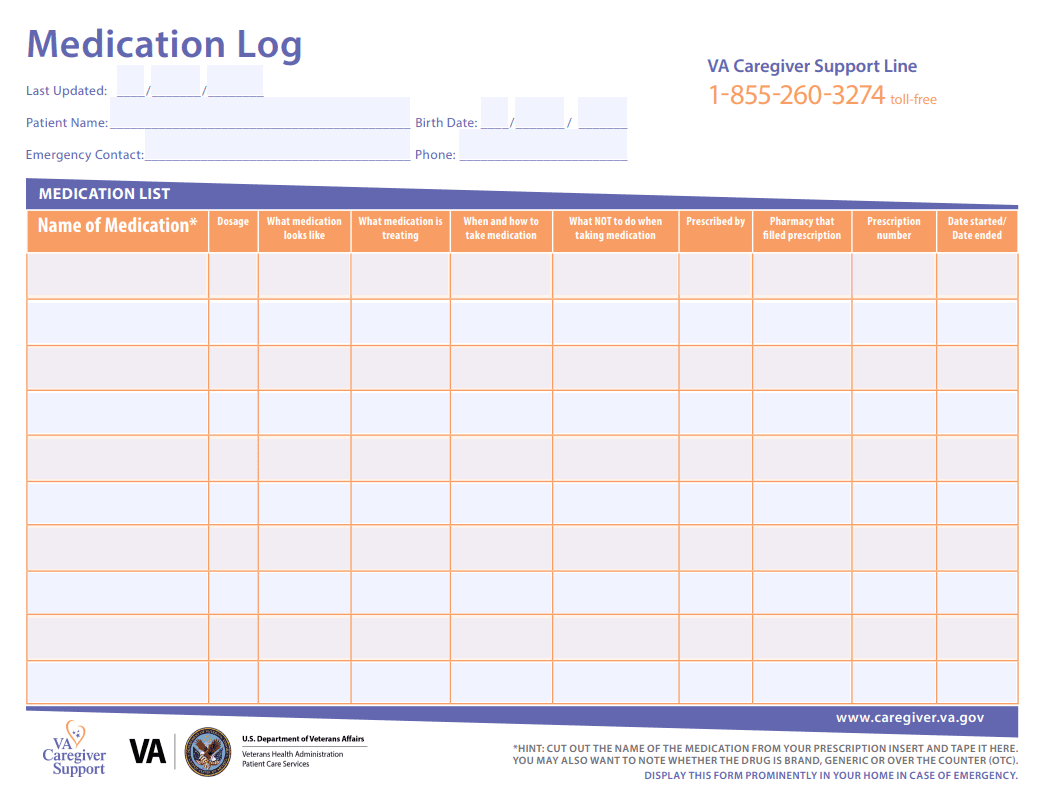
Paper Medication Log
before

Paper Medication Log

Handwritten medicine schedules tracked doses, timings, and refill notes daily.

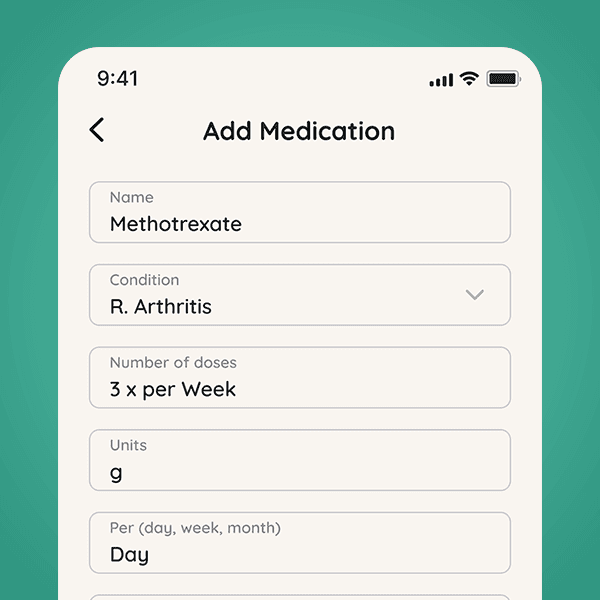
Smart Medication Tracking
after

Smart Medication Tracking

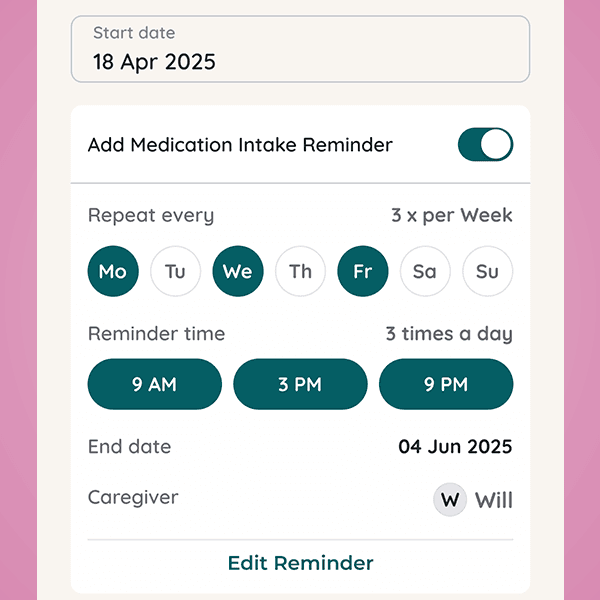
Automatic reminders, dosage schedules, refill alerts, and shared updates.

Printable Caregiver Logs
before

Printable Caregiver Logs

Printed sheets recorded appointments, symptoms, routines, and caregiving tasks.

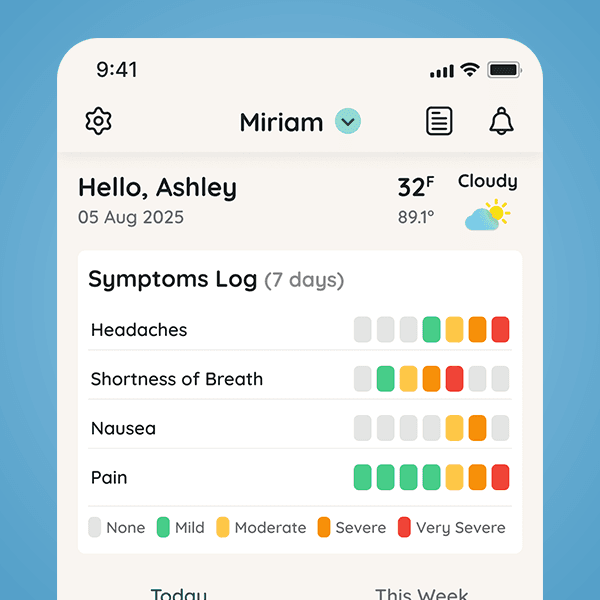
Digital Care Logs
after

Digital Care Logs

Track appointments, symptoms, tasks, and daily notes instantly.

Caregiver Binders
before

Caregiver Binders

Organized folders stored reports, contacts, prescriptions, and care notes.

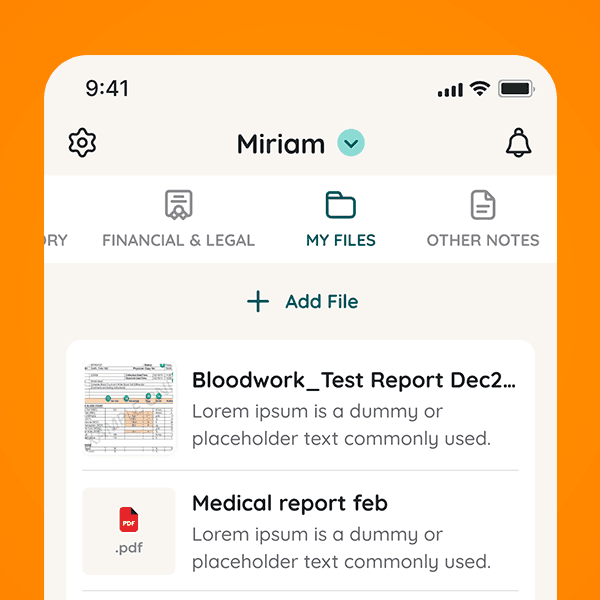
Secure Document Vault
after

Secure Document Vault

Store reports, prescriptions, contacts, and records digitally.

Physical Medication Organizers
before

Physical Medication Organizers

Pill boxes separated medicines by day and dosage timing.

Guided Medication Management
after

Guided Medication Management

Organize medicines with reminders, instructions, and adherence tracking.

Spreadsheet Manual Tracking
before

Spreadsheet Manual Tracking

Spreadsheets managed medications, expenses, appointments, and progress updates manually.

Centralized Care Calendar
after

Centralized Care Calendar

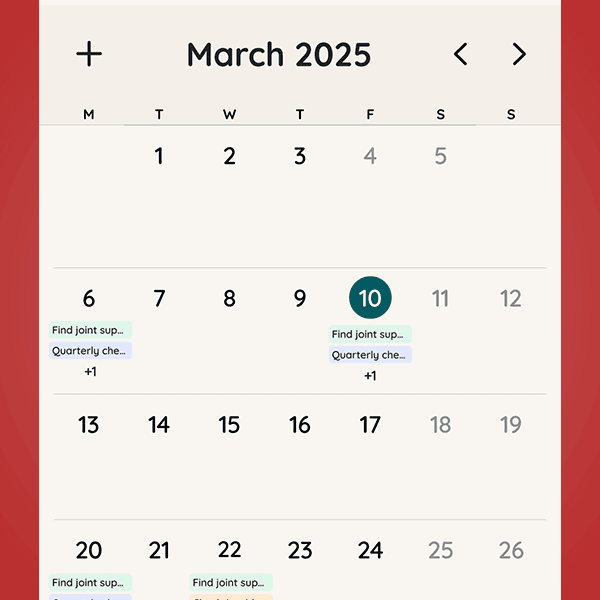
Manage tasks, expenses, schedules, and updates in one place.

Phone Messaging Coordination
before

Phone Messaging Coordination

Calls and chats handled reminders, updates, and family coordination.

Shared Collaboration
after

Shared Collaboration

Assign tasks, share updates, and coordinate caregivers easily.

Core Problem

MRI Safety Checks Were Slow, Manual, and Clinically Fragmented

Before Apollo, patients managing chronic conditions faced a broken care journey. Their interaction with healthcare was limited to scheduled clinic visits - quarterly or annually for conditions like diabetes or cardiovascular disease - with little or no structured support in between.

When problems arose between appointments, patients were left without guidance. When lifestyle changes were needed, there was no infrastructure to support or monitor them.

The real consequences:

Chronic conditions worsened between visits due to absence of daily intervention

Medication burdens increased as behavioral factors went unaddressed

Hospital utilization remained high among patients who could have been managed digitally

Patients managing obesity-related comorbidities had no daily accountability structure

Delayed detection for patients whose between-visit deterioration went unnoticed

What clinicians used before Apollo:

Quarterly clinic visits with no between-visit support structure

Verbal lifestyle guidance with no accountability follow-up

Fragmented care notes rarely shared across the care team

No continuous monitoring of blood pressure, glucose, or weight

Insurance billing limited to in-person visit codes only

Most Affected Population

Patients over 65 with multiple chronic conditions, adults managing obesity-related comorbidities, and individuals with complex cardiovascular risk profiles - precisely the population that accounts for the largest share of preventable healthcare spending in the United States.

What Triggered This Project

The Moment It Became Undeniable

Three clinical and commercial realities converged to make building Apollo both urgent and necessary.

No Integrated Care Platform Existed

The market was saturated with point solutions - apps for steps, apps for meals, apps for video visits - but nothing that brought all of these elements under medically supervised, insurance-covered care.

Reimbursement Pathways Had Opened

Medicare and major insurers had expanded coverage for digital chronic care management, creating a real commercial pathway that had not previously existed at scale.

Clinical Protocols Were Ready

The team had done the clinical work to know that long-term lifestyle-based care produces measurably better outcomes than medication-only approaches, and they had the expertise to build the protocols that would power the platform.

Objectives & Goals

Five Clear Outcomes. One Clinical Platform.

Consequence 01

HIPAA-Compliant Telehealth Platform

Consequence 02

Structured Daily Care Model

Consequence 03

FHIR R4 Athenahealth Integration

Consequence 04

AWS HIPAA Infrastructure from Day One

Consequence 05

Insurance Reimbursement Workflows Built In

The Build

A 6-Module Clinical Platform Designed for Real Clinicians

ForNex Health designed and developed Apollo 360 Health end-to-end across 6 functional modules, built around a central care protocol engine. The four-status system gives every clinician an unambiguous, actionable answer about every patient's care status.

Fully Enrolled

Active in Protocol

Flagged for Review

Escalation Required

Module 1

Patient Portal

Mobile-first scheduling and video consultation access

Secure messaging with assigned care team members

Health metric dashboard with wearable data integration

Chronic condition progress tracking against clinical goals

Module 2

Video Consultation Module

HIPAA - compliant real - time video sessions

Structured note templates aligned to CMS billing codes

Session documentation integrated directly into care record

Supports both scheduled and urgent care team interactions

Module 3

Care Team Dashboard

High - volume panel management with protocol deviation flags

Real- time wearable data feeds per patient

Shared notes and task management across care team roles

Alert logic triggered by values outside target ranges

Module 4

FHIR R4 EHR Integration

Bidirectional data exchange with Athenahealth

Pulls existing medical records into Apollo care record

Pushes care summaries back to patient's primary EHR

HL7 v2 compatibility for legacy clinical system support

Module 5

Insurance Billing Infrastructure

Automated time-tracking for CMS chronic care management codes

Documentation workflows satisfying Medicare and major insurer requirements

Previously inaccessible reimbursement pathways made viable at scale

Built in from the first design sprint - not retrofitted post-launch

Module 6

Wearable Device Integration

Connects blood pressure cuffs, glucose monitors, activity trackers

Real-time health data flows into care team dashboard

Protocol-driven alert logic when values fall outside target ranges

Phase 2 expanding to continuous glucose monitors and cardiac devices

Project Timeline - 2025

Step 1

Discovery

Stakeholder interviews, care protocol mapping, user persona research

Step 2

Architecture

HIPAA infrastructure design, FHIR R4 contracts, data modeling

Step 3

Design

Wireframes, high-fidelity prototypes, multi-role design system

Step 4

Development

Full-stack build with embedded QA and HIPAA compliance verification

Step 5

Beta Launch

Staged rollout with structured clinical feedback loops

Step 6

Optimization

Performance monitoring, iteration cycles, Phase 2 planning

Organizational Structure - Who Uses It

Not One Type of User. An Entire Clinical Ecosystem.

Apollo 360 Health is designed for clinical professionals across the full chronic care and referral workflow - from the patient managing daily health metrics to the referring physician monitoring progress from their own EHR.

Patients

Adults managing chronic conditions - cardiovascular disease, obesity, diabetes, hypertension. Typically Medicare-eligible or major insurance covered.

Care Coaches

Monitor patient progress daily, deliver behavioral health and lifestyle coaching, escalate concerns to physicians within protocol-defined guidelines.

Supervising Physicians

Review patient data, adjust care protocols, manage prescriptions, and document clinical decisions aligned to billing compliance requirements.

Referring Physicians

Read-access layer to stay informed of their patient's Apollo care journey without adopting a new system or duplicate any data entry.

Technology Stack

Enterprise-Grade Clinical Technology Built for HIPAA-First Deployment

A stack selected for HIPAA compliance, clinical performance, EHR integration capability, and long-term scalability - the non-negotiables for a national digital health platform.

Frontend / Mobile

Layer

iOS App

Technology

React Native

Why

Cross-platform consistency, shared codebase with Android, faster iteration cycles

Layer

Android App

Technology

React Native

Why

Single codebase delivering consistent clinical UX across both platforms simultaneously

Layer

Web Portal

Technology

React

Why

Component-based architecture optimized for complex multi-role clinical UI workflows

Layer

State Management

Technology

Redux-style architecture

Why

Predictable state handling for multi-step care team workflows and conditionality logic

Backend & Infrastructure

Layer

Backend API

Technology

Node.js

Why

High-throughput API layer for care team dashboards and real-time patient data feeds

Layer

Database

Technology

PostgreSQL (Relational)

Why

Structured queries for care protocol management and audit-compliant PHI retention

Layer

Cloud Infrastructure

Technology

AWS HIPAA-eligible

Why

Established BAA, healthcare-grade security services, national scale without architectural changes

Layer

Data Encryption

Technology

AES-256 at rest · TLS 1.2+ in transit

Why

PHI protection across all storage and transmission surfaces - non-negotiable from day one

Layer

AI Layer (Phase 2)

Technology

Groq AI

Why

High-speed inference for protocol recommendation assistance and predictive risk flagging

EHR Integration Layer

Integration

Athenahealth

Standard

FHIR R4

Coverage

Bidirectional data exchange, CMS interoperability compliance - Encoded Phase 1

Integration

Legacy Clinical Systems

Standard

HL7 v2

Coverage

Backward-compatible integration layer for hospital systems not yet on FHIR - Encoded Phase 1

Integration

Wearable Devices

Standard

Device API Layer

Coverage

Blood pressure, glucose monitors, activity trackers - real-time data feed to care dashboard

Business Process Reengineering

We Didn't Digitize the Old Process. We Replaced It.

Chronic Care Check-in

Quarterly or annual clinic visit. No structured support between appointments. Lifestyle guidance given with no follow-up mechanism or accountability structure.

Daily care team check-ins via platform. Wearable data monitored continuously. Protocol-driven coaching delivered between clinical touchpoints with documented outcomes.

Clinical Documentation

Inconsistent or absent care coordination notes. Minimal formal documentation of decisions made between visits. Incomplete audit trails and no formal evidence of care coordination.

Every interaction documented in structured formats satisfying clinical and billing requirements. FHIR R4 integration pushes summaries to the patient's primary EHR automatically.

Insurance Billing

Billing limited to in-person visit codes. Chronic care management reimbursement pathways were underutilized due to the documentation burden they required.

Automated time-tracking and care coordination documentation. CMS chronic care management codes captured at scale without manual overhead on the care team.

Care Coordination

Primary care physician unaware of patient's chronic condition progress between visits. No structured data sharing with care programs or specialists.

Referring physicians have real-time read access to Apollo care journey. Bidirectional EHR integration keeps the full care team aligned without duplicating entry.

Results

Early Access Validated Real Clinicians. Real Impact.

Apollo 360 Health is currently in active deployment with its initial clinical user base providing structured feedback. Qualitative outcomes from early use have validated the platform's design against the most critical pain points in chronic disease care workflows.

What Early Access Users Are Reporting

Patients report feeling significantly more supported between clinical visits - describing daily care team contact as the critical difference from any prior program they had participated in.

Care coaches report the dashboard gives them the visibility to manage meaningful patient panels without losing sight of individuals who need immediate attention.

Referring physicians note that the FHIR integration provides unprecedented visibility into their patients' care journey between clinic visits.

Insurance coverage confirmation workflows allowed Apollo to enroll patients who previously assumed digital chronic care was a self - pay service - expanding the accessible patient population significantly.

The protocol status system is immediately intuitive - no training required for care teams to interpret and act on flagged patients with confidence.

Social Impact Potential at Scale

For MRI Centers

Fewer cancelled scans, faster patient throughput, and a standardized safety process that no longer depends on individual staff knowledge or availability.

01

For Chronic Patients

Faster access to care they previously waited weeks for - simply because compatibility and enrollment could not be confirmed quickly enough under the old model.

02

For Healthcare Systems

Reduced clinical waste, stronger audit trails, and a consistent care protocol that scales across every unit, every clinician, and every shift in the health system.

03
Key Learnings

What Building Apollo 360 Health Taught the ForNex Health Team

Targeting
Product Insights

HIPAA compliance architecture is the foundation - not a layer you add later.

"Every data model, API contract, and third-party service selection must treat PHI handling as the primary constraint from the first line of planning. The temptation to build fast and patch compliance later fails in healthcare without exception."

Ideal For Organizations Like Yours

If Any of These Sound Like You,
ForNex Health Is the Right Partner

You are building a digital health platform that requires genuine HIPAA compliance from day one - not patched on after launch.

The most impactful clinical tools are built by people who understand the regulatory environment before they write the first line of code. ForNex provides full technical execution - from architecture to app store - with a team that understands healthcare at a clinical level.

You need FHIR R4 integration with major EHR systems and understand that interoperability is not optional in modern healthcare.

Apollo's conditionality rules engine - encoding multiple EHR datasets into a precise, clinically validated decision system - is exactly the kind of rule-based medical architecture ForNex specializes in.

You need a mobile-first product on both platforms with an enterprise-grade backend built for clinical reliability.

Apollo was built in React Native for cross-platform mobile with a Node.js backend on AWS HIPAA architecture - selected specifically for clinical-grade reliability, structured data integrity, and compatibility with existing healthcare IT environments.

You are integrating AI into a clinical workflow where speed and accuracy are both non-negotiable constraints.

Apollo's Phase 2 uses Groq AI as its intelligence layer. ForNex integrates AI into medical workflows with accuracy as the non-negotiable constraint - not an afterthought bolted on after the core product ships.

Roadmap

What's Coming Next

The platform architecture was designed to be category-agnostic from day one - adding new modules requires no rebuild of the core system. The database schema and API contracts are forward-compatible with everything planned in Phase 2 and Phase 3.

01

PHASE 1

AI-Assisted Care Protocol Recommendations

Groq AI integration surfaces protocol adjustment suggestions based on patient health metric patterns, and flags patients at elevated risk of condition deterioration before clinical indicators become critical.

02

PHASE 2

Expanded Wearable Device Support

Continuous glucose monitors, advanced cardiac monitoring devices, and emerging remote patient monitoring hardware added to the integration layer with no changes to the core architecture.

04

PHASE 4

Referring Physician Enrollment Module

Direct patient enrollment into Apollo's care program from existing physician workflows - eliminating the friction between a referral decision and the patient's first care team interaction.

03

PHASE 3

B2B Enterprise Channel

Health systems, employer health programs, and insurance plan chronic disease management programs deploy Apollo's care model within their existing patient populations at scale - no white-label rebuild required.

Trusted by Healthcare Leaders Across the Industry

From private practices to enterprise health systems - here's what our clients say after going live.

"The ForNex Health team delivered a secure and scalable platform that perfectly fits our educational workflows. Their attention to compliance and system integration made the entire process smooth and successful."

Teena Ceballos

Teena Ceballos

Founder, SuperSchool.org